Blog by Lea Gimpel: “The open web is undergoing a systemic structural transformation. Today, digital public goods (DPGs) and the broader knowledge commons face a critical challenge: large-scale, automated extraction by AI crawlers and scrapers operating without reciprocity. This leads to ballooning infrastructure costs for often volunteer-run, underresourced open projects, and the erosion of trust in open knowledge, among other challenges. DPG product owners have to make delicate decisions to protect their resources while keeping them as open as possible.
To help stewards of open resources navigate this complex landscape, the DPGA Secretariat is proud to share two complementary assets developed in consultation with our community:
What it is: A position paper and set of recommendations compiled directly by DPG product owners across major open initiatives like Wikipedia, Open Food Facts, Storyweaver, Govdirectory, The Turing Way, among others.
Core Focus: This note describes the problems faced by DPGs firsthand and outlines practical steps for engaging with commercial AI entities to ensure data users respect licenses, robot policies, and terms of service, and contribute back to the ecosystem, while also detailing technical mechanisms to protect against AI exploitation.
What it is: An overview of available mechanisms to protect against AI exploitation and how they map against the current open definition, and, by extension, the DPG Standard. The playbook’s aim is to deepen understanding and conceptual clarity around the tension between maintaining open access and ensuring the survival of an open resource.
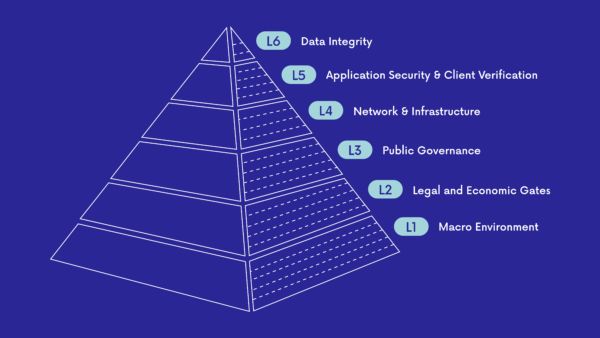
Core Focus: The playbook helps understand the different layers of interventions available to DPG product owners, ultimately showing that code-level mechanisms are a first line of defence, but solving the challenge of AI exploitation requires ecosystem-level solutions at the policy, legal, and governance levels.
Layers of Defence: It introduces a 6-layer “defence and reciprocity pyramid” classifying technical, legal, regulatory and institutional measures..(More)”